
Hi, How Can We Help You?

Category Archives: Immigration Visa

December 4, 2025

🌍 Hey Everyone! Welcome Back to My Study Abroad Vlog!

Today’s vlog-style blog is all about Cyprus Study Visa 202 — one of the most underrated yet powerful study-abroad destinations for Indian students. If you’re dreaming of an affordable European education, a peaceful lifestyle, and quick visa processing, then Cyprus should be on your radar.

In today’s vlog/blog, I am taking you through:

✔ My full journey to Cyprus
✔ Student visa requirements
✔ Why Cyprus is becoming so popular
✔ Admission process
✔ Documents checklist
✔ Living experience
✔ Job opportunities
✔ Tips to avoid visa rejection

So grab your coffee, and let’s dive right into the world of Cyprus! 🇨🇾✨


🎥 VLOG START — “MY CYPRUS STUDY VISA STORY”

I still remember the day I started looking for study options in Europe. I wanted something affordable, fast, and safe. That’s when Cyprus popped up on my screen. I didn’t know much at first, but after research and talking to students already there, I realized:

👉 It’s a hidden gem for international students
👉 The visa success rate is high
👉5 bands in IELTS required 
👉 Process is simple and fast

So I applied—and trust me—the journey was smoother than I expected. Let me walk you through everything I learned and experienced.


🏫 Why Choose Cyprus for Study in 2025?

Before talking about the visa, here’s why Cyprus is rising as a top study destination:

1.  IELTS Required

Most universities accept students with 5 bands in English proficiency test.

2. High Visa Approval Rate

Cyprus maintains a reputation for transparent and student-friendly immigration rules.

3. Europe-like Lifestyle at Low Cost

Beautiful beaches, clean cities, European culture—everything at a budget-friendly living cost.

4. Safe Country for Students

Cyprus is ranked among the safest countries in Europe.

5. English-friendly Environment

90% of people speak English, so communication is easy for international students.

6. Quality Education

European-standard programs in Business, IT, Hospitality, Nursing, Engineering & more.


📚 Top Courses Popular Among Indian Students

During my research and talking to students in Cyprus, these courses stood out:

  • Hospitality & Tourism Management

  • Nursing

  • Business Administration

  • Information Technology

  • Engineering Programs

  • Hotel & Restaurant Management

  • Culinary Arts

  • Computer Science

Most colleges offer two intakes: February & September.


🏛 Top Colleges in Cyprus (Student-Preferred)

Students commonly apply to:

  • Cyprus International University

  • University of Nicosia

  • European University Cyprus

  • Near East University

  • American College Cyprus

  • Philips University

  • Alexander College

Each has strong student support services and modern facilities.


📄 Cyprus Study Visa Requirements (Simple & Clear)

This is the part everyone asks about!
Based on my experience, you need the following documents to apply for the Cyprus Study Visa:

1. Valid Passport

Minimum 1-year validity.

2. Academic Documents

  • 10th & 12th/Diploma transcripts

  • Graduation degree (if applying for Master’s)

3. Offer Letter from Cyprus University

Once your admission is approved.

4. Medical Certificate

HIV, Hepatitis, and Chest X-ray.

5. Police Clearance Certificate (PCC)

Mandatory for all students.

6. Passport-size Photographs

7. Filled Visa Application Form

8. Bank Statements & Financial Proof

As per university guidelines.


📝 Admission Process for Cyprus (Step-by-Step Guide)

Let me explain the complete admission + visa process exactly as I went through it.


🎯 Step 1: Choose Course & University

I researched colleges based on:

  • Fees

  • Campus location

  • Course structure

  • Job opportunities

Selecting the right college is the most important step.


🎯 Step 2: Submit Application

You need to send:

  • Passport

  • Academic certificates

  • Photos

  • Application form

Universities usually respond within 5–7 working days.


🎯 Step 3: Receive Your Offer Letter

Once you get the offer letter, you can move to the next step.


🎯 Step 4: Medical Test & PCC

Get your medical test from an approved hospital and PCC from your local police station.


🎯 Step 5: Interview (Not for All Students)

Some universities conduct a short online interview to assess your communication skills. It’s very easy; just be confident.


🎯 Step 6: Visa File Submission

This is handled through the Cyprus Embassy or University-approved channel.


🎯 Step 7: Get Your Visa Approval

Most students get responses in 10–30 days, depending on intake and file quality.


🎯 Step 8: Fly to Cyprus

Once you receive the visa, book your flight, pack your bags, and get ready for a bright future!


✈️ My First Day in Cyprus — Vlog Feel

The moment I landed at Larnaca Airport, I felt like I stepped into a peaceful European paradise. Beautiful coastal views, sunny weather, friendly people—it was all welcoming.

College representatives picked me up from the airport and helped with:

  • Accommodation

  • Registration

  • Local SIM

  • Orientation

Everything felt organized and student-friendly.


🏠 Life in Cyprus for International Students

Here’s the real vlog part—what life is like after reaching Cyprus!

✔ Safe & clean cities

Walking late at night feels safe.

✔ Affordable living

Accommodation and food are cheaper compared to other European countries.

✔ Easy transportation

Buses are reliable and well-connected.

✔ Multicultural environment

Students from India, Nepal, Africa, Europe, and Middle East study together.


💼 Part-Time Jobs for Students in Cyprus

Students can work part-time during their studies depending on program rules.

Common job roles include:

  • Hotel & restaurant

  • Retail shops

  • Cafes

  • Delivery

  • Customer support

  • Sales assistant

Students often share that part-time jobs are easily available in hospitality sectors, especially during tourist seasons.


🔮 Career Opportunities After Study

Cyprus offers great prospects in:

  • Hospitality & Tourism

  • IT & Computer Science

  • Business Management

  • Healthcare & Nursing

  • Engineering

Many students move to other EU countries for career growth due to Cyprus’s European education recognition.


🚫 How to Avoid Cyprus Study Visa Rejection

Based on student experiences, avoid these mistakes:

❌ Fake or incomplete documents
❌ Incorrect medical report
❌ Lack of financial proof
❌ Misleading information on application
❌ Poor interview performance (if required)

Stay truthful and prepare your file properly—approval chances will be high.


🧭 Tips From My Cyprus Journey (Must Read!)

✔ Keep your documents organized
✔ Maintain good communication with your college
✔ Learn basic English confidently
✔ Join student WhatsApp groups before traveling
✔ Carry essential medicines
✔ Understand your course & city before applying

These small things make your journey smoother.


Final Thoughts — Should You Apply for Cyprus Study Visa in 2026?

Absolutely YES — if you want:

  • A safe European country

  • A budget-friendly lifestyle

  • A simple visa process

  • Quality education

  • English-speaking environment

  • Fast approvals

  • IELTS with 5 Bands

Cyprus is a smart choice for students looking for an affordable gateway to Europe.

This vlog-style guide is based on student journeys, real experiences, and updated visa requirements. If you are planning your education abroad, Cyprus is a strong option for 2026.

{ "@context": "https://schema.org", "@type": "Article", "headline": "Cyprus Study Visa 2025 – Complete Guide, Requirements & Benefits", "description": "A full vlog-style guide on Cyprus Study Visa 2025 covering requirements, documents, admission process, student life, benefits, and visa success tips.", "author": { "@type": "vlog-style", "name": "Spectrum Studies VLG" }, "publisher": { "@type": "Organization", "name": "Spectrum Studies VLG", "logo": { "@type": "ImageObject", "url": "https://spectrumvlg.com/" } }, "mainEntityOfPage": "https://spectrumvlg.com/cyprus-study-visa-guide-2025", "keywords": [ "Cyprus Study Visa", "Study in Cyprus", "Cyprus student visa requirements", "Cyprus study visa 2025", "Cyprus visa for Indian students", "Cyprus education", "Cyprus student life" ], "articleSection": "Study Abroad", "datePublished": "2025-01-01" }
November 26, 2025

Australia Study Visa New Rules 2025 – Latest Updates for International Students

Australia has introduced several major changes to the Student Visa (Subclass 500) for 2025–2026. These updates will affect application requirements, processing priority, financial proof, English test scores, and work rights. If you are planning to study in Australia, these new rules are extremely important to understand.

Below is a complete guide to all the Australia St


1. Mandatory CoE for All Applications

Starting 1 October 2025, students must submit a valid Confirmation of Enrolment (CoE) with their visa application.
Offer Letter is no longer accepted.

udy Visa New Updates 2025.

This means:

  • Finalize your course + university early

  • Pay your initial tuition deposit

  • Secure your CoE before filinghttps://spectrumvlg.com/index.php/contacts/


2. Higher Student Visa Fee – AUD $2,000

From July 2025, the Student Visa (Subclass 500) fee has increased to AUD $2,000.
Applicants must now plan a higher budget for the application process.


3. Updated 

Australia has increased the minimum living cost requirement to AUD $29,710 per year for a single student.

Requirements include:

Financial Capacity Requirement

  • Bank funds must be 3 months old

  • Proof of tuition fee + living cost

  • Funds from parents/sponsors allowed with documentation

This measure ensures students are financially stable before entering the country.


4. Genuine Student (GS) Requirement Introduced

The earlier GTE (Genuine Temporary Entrant) rule has been replaced by the new GS (Genuine Student) requirement.

Under GS, immigration will assess:

  • Your study purpose

  • Education background

  • Course relevance

  • Career plans

  • SOP/Statement of Purpose quality

A strong and realistic SOP is now more important than ever.


5. Student Work Hours Updated

Students can work:

    • 48 hours per fortnight during study periods

    • Unlimited hours only during official course breaks

Australia will strictly monitor work-hour violations.


6. New Priority Processing Under MD 115

Australia introduced a new system called Ministerial Direction 115 (MD 115).

What this means:

  • Each university has an allocated student cap

  • If a university is nearing its cap → visa processing slows

  • If the intake is open → processing may speed up

Your choice of university can impact how fast your visa is processed.


7. No Onshore Switching to Student Visa

From mid-2025, students cannot apply for a Student Visa from inside Australia if they are on:

  • Visitor Visa

  • Temporary Graduate Visa (485)

Applicants must apply offshore (from their home country).


8. English Language Requirement Increased

Minimum score for Australian student visa:

  • IELTS: 6.0 overall

  • or equivalent in TOEFL, PTE, OET, Cambridge

Australia also updated the list of approved English language tests.


Summary of Australia Study Visa New Rules 2025

Update Details
COE Mandatory Offer Letter not accepted
Visa Fee AUD $2500
Living Cost Requirement AUD $30,000
GS Requirement Replaces GTE
Work Hours 48 hours per fortnight
University Priority MD 115 system
Onshore Switching Not allowed
English Requirement IELTS 6.0

FAQs – Australia Study Visa 2025 New Rules

1. Is Australia increasing funds for student visas?

Yes, the new living cost requirement is AUD $30,000.

2. Is Offer Letter enough for visa application?

No. From October 2025, COE is compulsory.

3. Can students work unlimited hours?

Only during official holidays. Otherwise, work is limited to 48 hours per fortnight.

4. What is the new GS requirement?

GS checks if the student is genuinely coming for study, not migration or work misuse.

5. Can I apply for a student visa from Australia?

Not anymore if you are on Visitor Visa or Graduate Visa. Application must be offshore.

August 30, 2025
August 30, 2025

Canada is one of the most popular destinations for international students and professionals seeking to upgrade their skills and build successful careers. With a world-class education system, globally recognized certifications, and flexible immigration pathways, Canada offers multiple options for individuals who want to study or enhance their skills.

Among these options, the Canada Skilled Course Visa and the Canada Short-Term Study Visa have become increasingly attractive. These visas allow students and professionals to pursue skill-based programs, short-term diplomas, or certificate courses that help them gain employability and career opportunities worldwide.

In this blog, we will cover everything you need to know about Canada Skilled Course Visa and Canada Short-Term Study Visa in 2025 – including eligibility, benefits, top courses, application process, and career pathways.


Why Choose Canada for Skilled and Short-Term Courses?

Before diving into the visa details, let’s understand why Canada is a global hub for skill-based learning:

  • Globally Recognized Credentials – Canadian certificates, diplomas, and degrees are valued internationally.

  • Affordable Short-Term Programs – Unlike long degree programs, short courses are cost-effective and skill-focused.

  • Pathway to Employment – Many short-term and skilled courses are directly linked with industry needs, improving job opportunities.

  • PR Opportunities – Some programs qualify as pathways to Permanent Residency under Canadian immigration streams.

  • Work While Studying – Eligible students can work part-time during their studies to support living expenses.

  • Safe & Multicultural Environment – Canada welcomes thousands of international students every year, making it a friendly and secure study destination.


What is a Canada Skilled Course Visa?

The Canada Skilled Course Visa is designed for international students who wish to enroll in skill-development programs, vocational courses, or certification diplomas. These programs usually range from 6 months to 2 years and focus on practical skills aligned with Canadian industry demands.

Examples of Skilled Courses in Canada:

  • Healthcare Assistance & Nursing Diplomas

  • Hospitality & Tourism Management

  • Information Technology & Computer Programming

  • Business Administration & Accounting

  • Supply Chain Management

  • Skilled Trades (Carpentry, Welding, Electrical, Automotive)

  • Early Childhood Education

  • Nanny & Caregiver Programs

These programs are ideal for individuals looking to gain specialized skills and secure employment quickly in Canada or abroad.


What is a Canada Short-Term Study Visa?

The Canada Short-Term Study Visa is meant for students who want to study for less than 6 months in Canada. This is perfect for those pursuing language training (like IELTS or French), certificate courses, workshops, or professional upgrading programs.

Key points about short-term visas:

  • No need for a study permit if your program is 6 months or less.

  • You can study on a visitor visa if the course duration is short.

  • Ideal for students who want to test Canadian education before committing to longer programs.


Eligibility for Canada Skilled Course Visa

To apply for a Canada Skilled Course Visa, you need to meet certain requirements:

  1. Admission Letter – Acceptance letter from a Designated Learning Institution (DLI).

  2. Proof of Funds – Bank statements or financial proof to cover tuition and living expenses.

  3. Educational Background – Academic qualifications required for the chosen course.

  4. Language Proficiency – IELTS/TOEFL scores (minimum 5.5 bands for most diplomas).

  5. Valid Passport – Must be valid throughout your study duration.

  6. Visa Application Documents – SOP, GIC (if applicable), medical examination, police clearance.


Application Process for Canada Skilled Course Visa

  1. Choose Your Program & College – Select a DLI-approved course.

  2. Gather Documents – Academic transcripts, language test results, financials.

  3. Apply for Admission – Get the Letter of Acceptance (LOA).

  4. Pay Tuition Fees – Secure your seat.

  5. Apply for Study Permit – Submit application online/offline.

  6. Biometrics & Medical Exam – Complete required checks.

  7. Visa Approval – Get your visa and prepare for travel.


Benefits of Canada Skilled Course Visa

  • Practical, job-oriented training.

  • Opportunity to apply for Post-Graduate Work Permit (PGWP) (for eligible programs).

  • Better chances to apply for Permanent Residency (PR).

  • Affordable tuition compared to degree programs.

  • Internship and co-op options with Canadian employers.


Top Canadian Cities for Skilled & Short-Term Courses

  • Toronto & Brampton (Ontario) – Business, IT, Hospitality.

  • Vancouver (British Columbia) – Film, Media, Technology, Trades.

  • Edmonton & Calgary (Alberta) – Oil & Gas, Skilled Trades, Healthcare.

  • Montreal (Quebec) – French language, Aviation, IT.

  • Winnipeg (Manitoba) – Agriculture, Skilled Trades.


Cost of Skilled & Short-Term Courses in Canada

  • Skilled Diplomas – CAD $8,000 – $18,000 per year.

  • Short-Term Certificates – CAD $3,000 – $7,000 (depending on course).

  • Living Expenses – CAD $10,000 – $12,000 annually.


Career Opportunities After Skilled Courses in Canada

  • Healthcare & Nursing – High demand due to aging population.

  • Hospitality & Tourism – Growing sector post-COVID recovery.

  • IT & Software – Canada is a tech hub with global opportunities.

  • Trades – Skilled workers like electricians, welders, and carpenters are highly in demand.

  • Business & Accounting – Stable job prospects across industries.


Canada Skilled Course Visa vs. Short-Term Study Visa

Feature Skilled Course Visa Short-Term Study Visa
Duration 6 months – 2 years Less than 6 months
Visa Type Study Permit Visitor Visa
Work Rights Allowed (part-time) Not allowed
PR Pathway Possible Limited
Ideal For Career-oriented students Quick upskilling or language courses

Why Apply with Spectrum Studies VLG?

At Spectrum Studies VLG, we specialize in counselling and visa support for students aiming to study in Canada. Our services include:

  • Language & IELTS Coaching

  • Visa Guidance (Student, Visitor, Work, PR)

  • Nanny & Skilled Course Counselling

  • Canadian Office Support (Edmonton & Brampton via VLG Lawyers)

With our 5 offices across Punjab (Ludhiana, Mohali, Nabha, Kohara) and strong presence in Canada, we ensure smooth guidance from admission to settlement.


Conclusion

The Canada Skilled Course Visa and Canada Short-Term Study Visa open exciting opportunities for international students and professionals to build their future. Whether you want to gain quick skills, explore Canadian education, or pursue long-term settlement, these visas provide the right platform to begin your journey.

If you are planning to study in Canada, get in touch with Spectrum Studies VLG today for expert guidance, counselling, and a smooth visa process.

May 5, 2025

UK Short-Term Study Visa 2025: Your Complete Guide to Studying in the UK for Under 6 Months

If you’re dreaming of studying in the UK but don’t want to commit to a long-term degree, the UK Short-Term Study Visa might be the perfect option. Whether you’re looking to improve your English, take a short professional course, or attend a semester exchange, this visa allows you to legally study in the UK for up to 6 months (or up to 11 months for English language courses).

In this guide, we’ll cover everything you need to know about the UK short-term study visa in 2025, including:

  • What is the UK Short-Term Study Visa?

  • Who can apply?

  • Visa eligibility and requirements

  • Step-by-step application process

  • Visa fees and processing times

  • Allowed and restricted activities

  • Top tips for a successful application

  • FAQs about short-term study in the UK


 What Is the UK Short-Term Study Visa?

The UK Short-Term Study Visa is designed for international students who want to enroll in a short course (up to 6 months) or an English language course (up to 11 months) in the UK.

It is ideal for:

  • Language learners

  • Certificate or diploma programs

  • University exchange students

  • Professionals attending short training courses

This visa does not allow work or long-term study and must be applied for outside the UK.


 Who Can Apply for a Short-Term Study Visa?

This visa is suitable for individuals who:

  • Are aged 16 or older

  • Intend to study a short course in the UK (maximum 6 months)

  • Are accepted by a recognized educational institution

  • Can support themselves financially during the stay

  • Intend to leave the UK at the end of the course

  • Are not planning to work or access public funds


✅ Eligibility Requirements

To qualify for the UK Short-Term Study Visa, you must meet the following conditions:

📄 1. Letter of Acceptance

You must have a letter from a UK educational institution confirming:

  • Your course details

  • Start and end dates

  • Duration (must not exceed 6 months or 11 months for English)

💰 2. Financial Proof

You must show you have enough money to:

  • Pay for the course (if not free)

  • Cover your stay without working
    Documents include:

  • Recent bank statements (3–6 months)

  • Sponsorship letter (if applicable)

🏠 3. Accommodation Details

Provide documents showing where you’ll live, like:

  • Rental agreement

  • Hotel booking

  • Confirmation from host (if staying with friends/family)

✈️ 4. Return Plans

You must prove that you intend to leave the UK at the end of your studies:

  • Return ticket (recommended)

  • Employment, education, or family ties in your home country


📝 Documents Required

Here’s a checklist of documents for a UK Short-Term Study Visa:

Document Details
Passport Valid for the entire duration of stay
Visa Application Form Filled online on the official UKVI website
Letter of Acceptance From a UK educational institution
Financial Documents Bank statements or sponsor letter
Accommodation Details Hotel, rental, or host invitation
Return Travel Plans Optional but recommended
Tuberculosis Test Required for residents of certain countries

📌 Step-by-Step Application Process

Here’s how to apply for the UK Short-Term Study Visa:

Step 1: Check Eligibility

Ensure your course and institution meet UK visa requirements.

Step 2: Prepare Your Documents

Gather all the required documents (see list above).

Step 3: Apply Online

Visit the UK Government’s visa application portal:
https://www.gov.uk/standard-visitor/apply

Step 4: Pay the Visa Fee

The fee for a 6-month short-term visa is £115
The fee for an 11-month English course visa is £200

Step 5: Book and Attend Biometrics Appointment

Visit your nearest visa application centre to submit fingerprints and a photo.

Step 6: Wait for Decision

Processing time is typically 3 weeks after biometrics.

Step 7: Get Your Visa

If approved, you’ll receive a vignette (visa sticker) in your passport.


💵 Visa Fees and Processing Time (2025)

Type of Visa Duration Fee (GBP) Approx INR/USD
Standard Visitor (study < 6 months) 6 months
Short-Term Study (English) 11 months

Processing Time:

  • Normal: ~3 weeks

  • Priority: ~5 working days (extra fee)

  • Super Priority: ~1 working day (limited availability)


✅ What You Can and Can’t Do on This Visa

✅ Allowed:

  • Study a course up to 6 months (or 11 months for English)

  • Visit tourist attractions in your free time

  • Attend graduation (if course-related)

❌ Not Allowed:

  • No part-time or full-time work

  • No internships or business activities

  • No public funds or NHS access

  • No dependents can join you

  • Cannot extend visa or switch to other visa types from within the UK


🏫 Popular Short-Term Courses in the UK

Here are examples of courses international students take on a short-term study visa:

Course Type Duration Institutes
English Language 1–11 months British Council, International House
Summer School 4–12 weeks Oxford, Cambridge, LSE
Business Certificate 2–6 months London Business School, Hult
Art/Design Workshops 4–8 weeks Central Saint Martins, Royal College of Art
Teacher Training 1–3 months CELTA, TEFL courses

💡 Tips for a Successful Application

  1. Apply Early: Don’t wait until the last minute — apply at least 6 weeks before travel.

  2. Strong Ties to Home Country: Provide proof like job letter, family responsibilities, or future education plans.

  3. Be Honest: Don’t exaggerate documents or give false information.

  4. Keep Copies: Save all submitted documents and correspondence.

  5. Avoid Overstaying: Overstaying can lead to bans and future visa rejections.


🌍 Why Choose the UK for Short-Term Study?

  • World-class education system

  • Rich cultural and historical experience

  • Opportunity to network globally

  • Improve English in native-speaking environment

  • Resume boost for your career


❓ Frequently Asked Questions (FAQs)

1. Can I work on a UK Short-Term Study Visa?

No. You are not allowed to work in any capacity on this visa.

2. Can I bring my spouse or children?

No. This visa does not allow dependents.

3. Can I switch to a student visa (Tier 4 or Student Route) later?

No. You must leave the UK and apply for a student visa from your home country.

4. What happens if I overstay my visa?

Overstaying can result in fines, future visa bans, or deportation.

5. Can I extend my visa from inside the UK?

No. You must leave the UK and apply for a new visa if needed.


✈️ Final Thoughts

The UK Short-Term Study Visa is an excellent option for students and professionals who want to gain valuable international experience without the long-term commitment of a full degree. Whether you’re improving your English, attending a summer school, or completing a short certificate course, this visa opens doors to one of the most respected education systems in the world.

Just make sure to plan ahead, prepare strong documentation, and follow all the rules of the visa. With the right guidance, your UK study adventure can start sooner than you think.

March 24, 2025

Introduction: Navigating the Evolving Canadian Immigration System

Canada remains one of the top destinations for immigrants worldwide. Its rich cultural diversity, high quality of life, and robust economy continue to attract skilled professionals, international students, and families seeking new opportunities. However, immigration policies are dynamic and subject to change. As we step into 2025, several key updates have been introduced to Canada’s immigration system.

In this post, we’ll dive deep into the most recent changes to Canadian immigration policies, providing insights that will help potential immigrants better understand the current landscape. Whether you’re planning to apply for permanent residency, a study permit, or a work visa, staying informed about these changes is crucial for successfully navigating the immigration process.


1. Key Changes to the Express Entry System

What’s New in Express Entry for 2025?

The Express Entry system is Canada’s primary immigration pathway for skilled workers. It uses a points-based system known as the Comprehensive Ranking System (CRS) to rank applicants. The Express Entry pool selects candidates for permanent residence through programs like the Federal Skilled Worker Program, Federal Skilled Trades Program, and the Canadian Experience Class.

Express Entry: New Priorities for 2025

For 2025, Canada has tweaked its Express Entry system to focus on sectors with the highest demand. Notably, healthcare professionals, technology workers, and skilled tradespeople now stand a better chance of receiving Invitations to Apply (ITAs) due to ongoing labor shortages in these fields.

The CRS Score Adjustment: Another significant change is the way the CRS score thresholds are calculated. In the past, the minimum CRS score fluctuated based on the number of ITAs issued during each draw. In 2025, the target CRS scores have shifted to better reflect the demands of Canada’s job market. Candidates with experience in the IT sector or healthcare are more likely to be invited for permanent residency, even if their CRS score is slightly lower than previous minimums.

Strategies for Potential Applicants: To increase your chances of selection under the new Express Entry rules, make sure your profile highlights in-demand skills and qualifications. For example, if you have experience in healthcare or technology, ensure that your application clearly outlines your relevant work history and certifications.


2. Changes to Provincial Nominee Programs (PNPs)

What Are PNPs and How Have They Changed in 2025?

Canada’s Provincial Nominee Program (PNP) allows provinces and territories to nominate immigrants based on their specific needs. PNPs cater to skilled workers, entrepreneurs, and international students who wish to live in a particular province. With labor shortages and regional economic growth in mind, several provinces have updated their PNP criteria.

PNP Updates in 2025: New Criteria and Focus Areas

  1. Tech-Specific Nominations: Some provinces, particularly Ontario and British Columbia, have introduced new tech-specific streams under their PNPs. These programs aim to attract workers with expertise in fields like artificial intelligence, cybersecurity, and software development.

  2. Rural and Northern Immigration Pilot (RNIP): The Rural and Northern Immigration Pilot (RNIP) is another PNP stream that helps fill labor shortages in smaller communities. In 2025, Canada has expanded this pilot to include more regions, allowing skilled workers who are willing to live and work outside major urban centers to apply for permanent residency.

How to Take Advantage of PNP Changes: If you have skills that align with regional demands, applying through a provincial nominee program may be a more efficient route to Canadian permanent residency. Research the updated eligibility criteria for different provinces and tailor your application accordingly.


3. Updates to Post-Graduation Work Permit (PGWP) Policies

The Flexibility You Need: What’s Changed with PGWPs?

For international students, the Post-Graduation Work Permit (PGWP) allows graduates from eligible Canadian institutions to stay and work in Canada after completing their studies. This work experience can count toward a future application for permanent residency. However, the pandemic led to temporary changes in the PGWP eligibility, some of which are now permanent.

2025 PGWP Changes:

  1. Increased Duration for Certain Programs: In response to labor shortages in sectors like healthcare and tech, some international students may be eligible for a longer PGWP. If you’ve completed a two-year program, you could be eligible for a work permit that lasts up to three years.

  2. Online Learning Adjustments: Due to the pandemic, Canadian authorities temporarily allowed online learning to count toward PGWP eligibility. In 2025, students who completed at least 50% of their program online are still eligible for a PGWP as long as they meet other requirements.

Advice for International Students: International students should be aware that the PGWP offers a pathway to permanent residency. Work permits granted after completing studies can significantly boost your CRS score if you later apply through Express Entry. Keep track of the specific requirements to maximize the chances of your PGWP application’s approval.


4. Family Sponsorship: New Reforms to Speed Up the Process

Faster Processing for Family Reunification

Canada values family reunification and, in 2025, has introduced several measures to help citizens and permanent residents bring their family members to Canada more easily. The government has streamlined the family sponsorship program by reducing processing times and increasing annual intake caps.

Key Changes to Family Sponsorship:

  1. Shorter Wait Times: Processing times for family sponsorships have been shortened, making it easier for Canadian citizens and permanent residents to reunite with their spouses, children, and other eligible relatives.

  2. Expanded Eligibility: Canada now permits a broader range of family members to be sponsored, including parents and grandparents. This expansion is part of the country’s commitment to keeping families together and fostering stronger community ties.

How to Benefit from Family Sponsorship Changes: If you are already a permanent resident or citizen of Canada, the relaxed requirements and quicker processing times make now a great opportunity to consider sponsoring your loved ones. Be sure to check the latest eligibility criteria to avoid delays in the application process.


5. Temporary Resident to Permanent Resident Pathway

New Pathways for Temporary Residents

A major development in 2025 is Canada’s introduction of a Temporary Resident to Permanent Resident (TR to PR) pathway. This new initiative allows individuals currently working in Canada on temporary work permits or studying in Canada on a student visa to transition to permanent residency.

What You Need to Know:

  1. Eligibility for Temporary Workers: Temporary foreign workers employed in essential sectors, such as healthcare, agriculture, and technology, are given priority under this program. If you have been in Canada for at least one year, you may qualify for permanent residency.

  2. International Students’ Opportunities: International students who have completed a program at a designated learning institution (DLI) in Canada are also eligible to apply for permanent residency through this pathway. This program aims to retain the talent that Canada has invested in.

Maximizing Your TR to PR Pathway Opportunity: If you’re currently in Canada on a temporary permit or student visa, the TR to PR pathway is a significant opportunity. Ensure you’re keeping your work or study permits up to date, and monitor eligibility requirements to take full advantage of this pathway.


6. Conclusion: Preparing for Your Canadian Immigration Journey

Canada’s immigration landscape is continuously evolving, but the changes in 2025 offer promising opportunities for skilled workers, international students, and families alike. Whether you’re applying through Express Entry, the PNP, or the new TR to PR pathway, staying informed is the first step toward a successful immigration application.

By understanding these changes and strategically tailoring your application, you can improve your chances of securing Canadian permanent residency. Don’t hesitate to consult with immigration professionals who can provide personalized advice and support as you navigate this complex process.

Interested in learning more about how these changes affect your Canadian immigration plans? Subscribe to our blog for the latest updates and expert tips on navigating the immigration system. If you’re ready to take the next step, contact us for a consultation, and we’ll help you plan your path to Canada!

Facebook Page:- https://www.facebook.com/spectrumvlg

Instagram:- https://www.instagram.com/spectrum_studies_vlg/

To contact us click on given link

https://spectrumvlg.com/index.php/contacts/

February 26, 2025

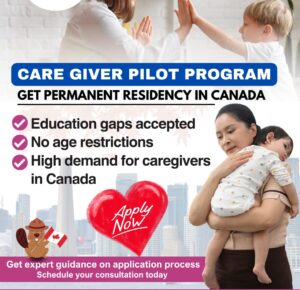
Canada PR Pilot Program Under Caregiver Program: A Complete Guide

Canada offers a special Permanent Residency (PR) pathway for foreign caregivers through its Home Child Care Provider Pilot (HCCP) and Home Support Worker Pilot (HSWP). This program allows qualified caregivers to move to Canada, work legally, and apply for PR after gaining sufficient experience. If you’re looking for a long-term opportunity to work and settle in Canada, this guide will help you understand the process, eligibility criteria, and benefits.

What is the Caregiver PR Pilot Program?

The Canada Caregiver PR Pilot Program was introduced to address labor shortages in caregiving professions while providing a clear path to permanent residency. It is divided into two streams:

  1. Home Child Care Provider Pilot (HCCP): For those who provide care for children below the age of 18 in a private home setting.
  2. Home Support Worker Pilot (HSWP): For caregivers who assist individuals with disabilities, the elderly, or those requiring medical assistance in their daily lives.

Each pilot program allows candidates to work temporarily in Canada and later apply for PR after gaining at least 24 months of eligible work experience.


Eligibility Requirements for the Caregiver PR Pilot Program

To qualify for the Caregiver PR Pilot Program, applicants must meet the following requirements:

1. Job Offer from a Canadian Employer

You must have a valid job offer from a Canadian employer for a full-time caregiver position (30+ hours per week). The job must fall under NOC 44100 (Home Child Care Provider) or NOC 44101 (Home Support Worker).

2. Work Experience

Candidates with at least 24 months of work experience in Canada as a caregiver are eligible for PR. If you do not have prior experience, you can apply for a work permit and gain the required experience before applying for PR.

3. Educational Qualification

You must have completed at least one year of post-secondary education. If your education was completed outside Canada, you must obtain an Educational Credential Assessment (ECA).

4. Language Proficiency

Applicants must take an English or French language test (IELTS/CELPIP or TEF) and meet the minimum Canadian Language Benchmark (CLB) 5.

5. Admissibility to Canada

You must pass background checks, including medical exams and police clearance certificates.

How to Apply for the Canada Caregiver PR Pilot Program

Step 1: Get a Job Offer

Find a Canadian employer willing to hire you as a caregiver. The job must be genuine, full-time, and meet all requirements.

Step 2: Submit Your Work Permit & PR Application

Unlike previous caregiver programs, you can apply for a work permit and PR simultaneously. This means that once you complete your 24 months of work experience, your PR application will be processed faster.

Step 3: Receive an Occupation-Specific Work Permit

Once your application is approved, you will receive an occupation-specific work permit (not tied to a single employer). This gives you the flexibility to switch employers within the caregiving field.

Step 4: Gain 24 Months of Work Experience

Work as a caregiver for at least 24 months in Canada to fulfill the eligibility criteria for PR.

Step 5: Apply for PR Confirmation

Once your work experience is complete, submit proof to Immigration, Refugees, and Citizenship Canada (IRCC) to finalize your PR status.


Benefits of the Caregiver PR Pilot Program

  1. Direct Pathway to Permanent Residency – Unlike other temporary work permits, this program allows you to apply for PR directly.
  2. No Employer-Specific Restrictions – Caregivers receive an open work permit within their occupation, allowing them to change employers if needed.
  3. Family Sponsorship – Your spouse/common-law partner and dependent children can also apply for open work permits or study permits.
  4. Better Job Security & Rights – As a PR applicant, you receive the same work rights and protections as Canadian citizens.
  5. Opportunity for Citizenship – After obtaining PR, you can apply for Canadian citizenship once eligible.

Processing Time 

  • Processing Time: Approximately 12-24 months depending on your application type.

Frequently Asked Questions (FAQs)

1. Can I apply for PR if I have less than 24 months of experience?

No, you must complete at least 24 months of work experience before applying for PR.

2. Can I change my employer?

Yes, you can switch employers within the caregiving field as long as you hold an occupation-specific work permit.

3. Can my family move with me to Canada?

Yes, your spouse/common-law partner and dependent children can accompany you. They can apply for open work permits or study permits.

4. Do I need an LMIA (Labour Market Impact Assessment)?

No, the Caregiver Pilot Program does not require an LMIA, making it easier for employers to hire foreign caregivers.

5. Is there a quota for caregiver applications?

Yes, each pilot program has a maximum cap of 2,750 applications per year, so it’s best to apply early.


Conclusion

The Canada PR Pilot Program under the Caregiver Program is an excellent opportunity for foreign caregivers to live and work in Canada while securing permanent residency. With no LMIA requirement, family sponsorship options, and a clear PR pathway, this program provides a stable and rewarding career path.

If you meet the eligibility criteria, start your journey today and take the first step towards becoming a Canadian permanent resident!


facebook page:- https://www.facebook.com/spectrumvlg

January 22, 2025

New Updates for Australia Student Visa 2025: What You Need to Know

Australia continues to be one of the most popular study destinations for international students. With a world-class education system, vibrant culture, and diverse communities, it’s no surprise that many students aim to pursue their higher education in this beautiful country. However, the Australia student visa has seen several important updates in 2025 that students should be aware of.

Key Changes to the Australia Student Visa (subclass 500) in 2025

Here are the most significant updates to the Australian student visa that will affect your application process, eligibility, and overall experience:


1. Introduction of New Visa Categories for Different Study Levels

The Australian government has introduced streamlined visa options based on the level of education students plan to pursue. These include separate visa categories for:

  • Vocational Education and Training (VET) students
  • Higher Education students (Bachelor’s, Master’s, PhD)
  • English language intensive courses students

This distinction will simplify the application process and may provide specific benefits depending on the student’s course of study.

2. Enhanced Post-Graduation Work Rights

One of the most anticipated updates is the expansion of post-graduation work rights for international students. Starting in 2025, international students who complete a degree or higher qualification at an Australian educational institution may be eligible for longer post-study work visas. The new regulations extend the Post-Study Work Visa to a maximum of 6 years for high-demand STEM (Science, Technology, Engineering, and Mathematics) graduates.

This change provides more opportunities for international students to stay, gain work experience, and contribute to Australia’s economy after completing their studies.

3. Simplified Visa Application Process

In response to growing demand for education in Australia, the visa application process has been streamlined. The Australian Department of Home Affairs has introduced an online portal where students can track their applications, upload necessary documents, and receive notifications regarding their visa status in real-time.

Additionally, a faster processing time has been introduced for eligible applicants. This will significantly reduce waiting times for visas, allowing students to focus on preparing for their studies rather than worrying about administrative delays.

4. Changes in Financial Requirements

Australia has updated the financial proof requirements for international student visa applications. Applicants will need to demonstrate sufficient funds to cover:

  • Tuition fees
  • Living expenses (increased to AU$21,041 per year for the primary student)
  • Travel costs and other incidentals

The revised financial guidelines aim to ensure that students have the necessary financial stability to live and study in Australia without putting too much strain on the country’s welfare systems.

5. Increased Focus on Health Insurance

The Australian Government now requires Overseas Student Health Cover (OSHC) for the entire duration of a student’s visa. This change ensures that international students have adequate health insurance coverage while studying in Australia, providing peace of mind in case of medical emergencies.

OSHC providers have also expanded coverage options for mental health, which has been a priority in the wake of global challenges to student well-being.

6. More Flexible English Language Proficiency Options

Australia’s immigration authorities have made it easier for international students to demonstrate their English language proficiency. In 2025, students may now submit scores from a wider range of recognized tests, including TOEFL, IELTS, PTE, and others, with more lenient score requirements for applicants coming from English-speaking countries.

7. Digital Student Visa and Enhanced Biometric Scanning

In line with global trends in digital immigration management, Australia is moving toward a paperless visa system. By the end of 2025, all student visa holders will be issued a digital visa that can be accessed through a smartphone app. This app will allow students to check their visa status, track important dates, and even complete biometric checks remotely.


How These Updates Will Affect International Students

These changes are designed to make the student visa process more efficient and transparent for international students. By addressing key areas such as work rights, visa processing, financial requirements, and health insurance, the Australian government is making strides to remain an attractive destination for global talent.

Tips for Applicants in 2025

  • Apply Early: While processing times have improved, it’s always best to apply as early as possible to avoid last-minute delays.
  • Prepare Financial Documentation: Ensure that you meet the updated financial requirements and have the necessary documents ready.
  • Stay Informed: Keep up to date with any further changes by visiting the official website of the Department of Home Affairs or seeking advice from certified migration agents.

Conclusion

Australia’s student visa system has undergone significant changes in 2025, offering more opportunities for international students to study, work, and live in the country. By staying informed about the new visa categories, work rights, and financial requirements, students can ensure that their application process is as smooth as possible.

For the latest news and updates on the Australian student visa, stay connected to trusted sources and official government websites.

December 23, 2024

New Zealand Visa: Everything You Need to Know

New Zealand is a dream destination for many travelers, students, and professionals worldwide. Whether you’re planning to visit for leisure, study, work, or migrate permanently, understanding the visa process is crucial. This comprehensive guide outlines all the key details about New Zealand visas, ensuring you’re well-prepared for your journey.

Types of New Zealand Visas

New Zealand offers various visa types tailored to different purposes. Here are the main categories:

  1. Visitor Visa
    • Ideal for tourists, visiting family/friends, or short-term recreational activities.
    • Validity: Up to 9 months.
    • Requirements:
      • Proof of sufficient funds (NZD 1,000 per month or NZD 400 if accommodation is prepaid).
      • Travel itinerary and return ticket.
  2. Student Visa
    • For international students enrolled in a full-time course.
    • Validity: Duration of the course, up to 4 years.
    • Requirements:
      • Confirmation of Enrollment (COE) from a New Zealand institution.
      • Sufficient funds to cover tuition and living expenses (NZD 20,000 per year).
      • Health and character requirements.
  3. Work Visa
    • Enables individuals to work temporarily or permanently in New Zealand.
    • Types include:
      • Skilled Migrant Category Visa: For professionals with skills in demand.
      • Essential Skills Work Visa: For jobs listed on the Skill Shortage List.
      • Working Holiday Visa: For young travelers combining tourism and short-term work.
    • Requirements vary based on visa type, including job offers, skills assessment, and health checks.
  4. Resident Visa
    • For individuals planning to settle in New Zealand permanently.
    • Includes:
      • Family Category Visa: For partners, parents, or dependent children of New Zealand residents.
      • Business and Investor Visas: For entrepreneurs and investors contributing to the economy.
  5. Transit Visa
    • For individuals passing through New Zealand to another destination.
    • Validity: Maximum of 24 hours.

General Requirements for New Zealand Visas

While specific criteria vary by visa type, common requirements include:

  1. Valid Passport
    • Must be valid for at least 3 months beyond your intended departure date.
  2. Application Form
    • Completed online or via paper, depending on the visa type.
  3. Application Fee
    • Fees vary based on visa type and processing location. For example:
      • Visitor Visa: NZD 211 (online).
      • Student Visa: NZD 330.
  4. Health Requirements
    • Medical examinations and chest X-rays may be required for long-term stays.
  5. Character Certificate
    • Police clearance certificate for stays longer than 2 years.
  6. Proof of Funds
    • Bank statements, scholarship letters, or sponsorship documents.

Application Process

  1. Choose Your Visa
    • Select the appropriate visa based on your purpose of visit.
  2. Create an Account on Immigration New Zealand (INZ)
  3. Submit Required Documents
    • Upload necessary documentation, such as passport copies, photos, and proof of funds.
  4. Pay the Application Fee
    • Payment can be made online via credit/debit card.
  5. Attend an Interview or Provide Biometrics (if required)
    • Some applicants may need to attend an interview or submit biometrics.
  6. Receive Visa Decision
    • Processing times vary:
      • Visitor Visa: 20-25 days.
      • Student Visa: 30-35 days.
      • Work Visa: 1-2 months.

Tips for a Successful Visa Application

  1. Provide Complete Information
    • Ensure all sections of the application are filled accurately.
  2. Double-Check Documents
    • Submit up-to-date and correct documents to avoid delays.
  3. Apply Early
    • Submit applications well before your planned travel date.
  4. Consult Experts
    • Consider seeking guidance from licensed immigration consultants.

Why Choose New Zealand?

  1. Stunning Landscapes
    • Known for its breathtaking natural beauty, from beaches to mountains.
  2. World-Class Education
    • Renowned institutions offering globally recognized degrees.
  3. Thriving Economy
    • Opportunities in sectors like IT, healthcare, agriculture, and tourism.
  4. High Quality of Life
    • Safe, multicultural, and environmentally sustainable.

FAQ About New Zealand Visas

  1. Can I extend my visa?
    • Yes, extensions are possible for certain visa types. Check the specific conditions.
  2. What happens if my visa application is rejected?
    • You can appeal the decision or reapply after addressing the reasons for rejection.
  3. Do I need a visa if I’m from a visa-waiver country?
    • Yes, but you’ll need an NZeTA (New Zealand Electronic Travel Authority).
  4. How do I prove financial capability?
    • Provide recent bank statements, sponsorship letters, or scholarship documents.


December 9, 2024

Introduction: Canada – A Land of Opportunities

Canada has always been a top destination for students, travelers, and skilled professionals due to its excellent education system, breathtaking landscapes, and booming job market. Staying updated with visa policy changes is crucial for a smooth application process. This article delves into the most recent updates on Canada’s study visa, visitor visa, and work visa, helping you make informed decisions.


1. Latest Updates on Canada Study Visa (2024)

Canada’s study visa program, often called a Study Permit, has undergone significant changes to enhance efficiency and cater to the growing number of international students.

a) Improved Processing Times

The Canadian government has introduced measures to reduce processing times for study permits. Applications from priority countries under the Student Direct Stream (SDS) are being processed in 20 calendar days on average.

b) Expansion of the SDS Program

The SDS program has now been extended to more countries, making it easier for eligible students to apply. The program offers:

  • Faster processing times.
  • Simplified documentation requirements.

Eligible countries include India, China, the Philippines, Pakistan, and several others.

c) Post-Graduation Work Permit (PGWP) Flexibility

Graduates of Canadian institutions can now enjoy an extended PGWP validity period in certain cases, especially in industries facing labor shortages. The PGWP allows students to gain valuable Canadian work experience post-study, strengthening their path to permanent residency.

d) Introduction of Digital Study Permits

Canada has started issuing digital permits to reduce physical documentation. Applicants can now access their permits via an online portal.

e) Focus on International Student Well-being

  • Enhanced support for mental health and accommodation.
  • Universities now offer more scholarships for international students.

2. Visitor Visa Updates (2024)

Canada’s visitor visa, also known as a Temporary Resident Visa (TRV), has seen some changes aimed at promoting tourism and reuniting families.

a) Faster Visitor Visa Approvals

The IRCC has introduced additional resources to expedite TRV approvals. The average processing time for visitor visas has been reduced to 30 days, ensuring smoother entry for tourists and family members.

b) Longer Validity of Multiple-Entry Visitor Visas

Multiple-entry visas are now valid for up to 10 years or until the expiration of the passport. Travelers can stay for up to 6 months per visit, making it ideal for frequent visitors.

c) Electronic Travel Authorization (eTA) Expansion

The eTA program has been expanded to include more visa-exempt countries, enabling eligible travelers to visit Canada without a traditional visa.

d) Family Reunification Initiatives

Special provisions for family members of Canadian citizens or permanent residents:

  • Expedited processing for immediate family members.
  • Super Visa enhancements allow parents and grandparents to stay in Canada for up to 7 years.

3. Work Visa Updates (2024)

Canada’s work visa landscape has evolved to address the country’s labor market needs and attract global talent.

a) New Occupations Added to the Global Talent Stream (GTS)

The Global Talent Stream, part of the Temporary Foreign Worker Program (TFWP), now includes more occupations in high-demand sectors like IT, healthcare, and engineering.

b) Open Work Permit for Skilled Workers

Eligible skilled workers can now apply for an Open Work Permit, allowing them to work for any employer in Canada without a job-specific permit.

c) Extension of the Temporary Foreign Worker Program (TFWP)

The TFWP has been extended with increased quotas in agriculture, construction, and hospitality sectors, addressing acute labor shortages.

d) Simplified Pathways for Permanent Residency

Work permit holders can now transition to permanent residency through:

  • Express Entry System enhancements.
  • Specific programs like the Atlantic Immigration Program (AIP) and Rural and Northern Immigration Pilot (RNIP).

e) Work Opportunities for International Graduates

Graduates holding a PGWP can work in Canada while awaiting their PR application decision.

f) Biometrics and Application Processing

  • Reduced biometrics processing time for work permit applications.
  • Digital submissions are encouraged to speed up processing.

4. General Changes Across Visa Categories

a) New Online Portals for Applications

The Canadian government has launched advanced online portals for submitting and tracking applications for all visa types. This move aims to improve transparency and reduce delays.

b) Focus on Francophone Immigration

To promote diversity, Canada has introduced incentives for French-speaking applicants, including expedited processing and additional points under the Express Entry system.

c) Improved Client Support Services

  • Dedicated helplines for international applicants.
  • Live chat support for resolving application-related queries.

5. Tips for a Successful Visa Application

a) Ensure Complete Documentation

Prepare a checklist and include all necessary documents such as:

  • Proof of funds.
  • Letter of acceptance (for study permits).
  • Travel itinerary (for visitor visas).
  • Job offer letter (for work permits).

b) Apply Early

Submit your application well before your planned travel date to account for unforeseen delays.

c) Seek Professional Guidance

Consider consulting immigration experts or using authorized representatives to navigate complex cases.

d) Stay Updated on IRCC Announcements

Regularly check the official Immigration, Refugees, and Citizenship Canada (IRCC) website for updates.


Conclusion: Embrace Canada’s New Opportunities

Canada continues to refine its visa processes to welcome international talent, tourists, and students. These updates reflect the country’s commitment to maintaining an efficient and inclusive immigration system.

Whether you’re planning to study, work, or visit, understanding the latest changes will help you take the right steps towards your Canadian dream. Start your journey today with confidence!

October 11, 2024

Comprehensive Guide to Obtaining a Europe Visa

Traveling to Europe is a dream for many, offering a rich tapestry of cultures, breathtaking landscapes, and historic cities. However, to visit Europe, obtaining the right visa is crucial. This guide provides detailed information about the Europe visa process, visa types, requirements, and steps to ensure your journey is smooth.

Understanding the Europe Visa (Schengen Visa)

The Europe visa, commonly known as the Schengen visa, is the most popular visa for travelers visiting Europe. The Schengen Area comprises 27 European countries that have abolished internal borders, allowing free movement within this region.

Countries in the Schengen Area: Austria, Belgium, Czech Republic, Denmark, Estonia, Finland, France, Germany, Greece, Hungary, Iceland, Italy, Latvia, Lithuania, Luxembourg, Malta, Netherlands, Norway, Poland, Portugal, Slovakia, Slovenia, Spain, Sweden, and Switzerland.

Types of Europe Visas

Before applying, it’s important to know which type of Schengen visa suits your travel needs. The Schengen visa has several categories, and your purpose of visit will determine which one to apply for.

  1. Tourist Visa: This is the most common visa for travelers. It allows you to explore the Schengen countries for a short period, usually up to 90 days within a 180-day period. If you plan to visit multiple countries in Europe for tourism purposes, this visa is ideal.
  2. Business Visa: If you’re attending conferences, meetings, or engaging in business activities in Europe, you will need a business visa. It grants you the opportunity to stay in Europe for short business trips.
  3. Student Visa: Students who plan to study in a European country for less than 90 days can apply for a short-term Schengen visa. If your study period exceeds this, you’ll need a long-term national visa from the country of study.
  4. Transit Visa: If you’re traveling through Europe and need to transit through one or more Schengen countries, this visa is required. It’s mostly issued for travelers with layovers in European airports.
  5. Family Visit Visa: Those planning to visit relatives or family members residing in Europe can apply for this visa. You may need to provide an invitation letter from your family member as part of the application process.
  6. Medical Visa: If you’re traveling to Europe for medical treatment, a medical visa will allow you entry. This visa typically requires confirmation from the hospital or clinic in Europe.
  7. Cultural, Sports, and Film Crew Visa: This visa is designed for individuals traveling to Europe for cultural or sporting events, or if you’re part of a film crew shooting in a European country.

Key Europe Visa Requirements

The Schengen visa has a list of general requirements, which may vary slightly depending on the country and type of visa. Here’s a checklist of the essential documents you will need:

  1. Visa Application Form: Complete and sign the visa application form accurately. Most Schengen countries allow you to fill this out online or in paper form.
  2. Passport: Your passport should be valid for at least three months beyond your intended date of departure from the Schengen area. It must have at least two blank pages for visa stamps.
  3. Passport-Sized Photos: Two recent passport-sized photos that meet the Schengen visa photo requirements. The photo must be taken against a white background and should be no older than six months.
  4. Travel Insurance: You must have valid travel insurance that covers medical emergencies, hospital care, and repatriation in case of death with a minimum coverage of €30,000. This insurance must be valid in all Schengen countries.
  5. Proof of Accommodation: You need to show evidence of where you’ll be staying during your trip. This can be hotel bookings, a rental agreement, or an invitation letter from your host.
  6. Flight Itinerary: A flight reservation showing your travel route, including your entry and exit from the Schengen area. This does not necessarily have to be a confirmed ticket, but you may need to show proof of booking.
  7. Proof of Financial Means: You must provide evidence that you have sufficient funds to cover your expenses during your stay in Europe. This could be in the form of bank statements, sponsorship letters, or pay slips.
  8. Letter of Purpose: A cover letter explaining the purpose of your trip, your planned itinerary, and any other relevant details. This is particularly important for business, medical, or family visit visas.

Step-by-Step Guide to Applying for a Europe Visa

  1. Determine Your Visa Type: Depending on your travel purpose, select the appropriate visa type. For example, if you’re traveling for leisure, you’ll apply for a tourist visa.
  2. Find the Right Embassy or Consulate: If you plan to visit multiple Schengen countries, you must apply at the embassy or consulate of the country where you’ll spend the most time. If your stay is equally divided, apply to the country where you will enter first.
  3. Complete the Visa Application Form: Download and fill out the Schengen visa application form. Be sure to complete it accurately and honestly, as errors may result in delays or rejection.
  4. Schedule an Appointment: Most embassies require you to schedule an appointment for submitting your application. Some allow online scheduling, while others may require a phone call.
  5. Gather Required Documents: Collect all the necessary documents, including the completed application form, passport, photos, travel insurance, flight itinerary, accommodation details, and proof of financial means.
  6. Attend Your Visa Appointment: On the day of your appointment, arrive at the embassy or consulate on time. Bring your application and all supporting documents. During the appointment, you may also be required to provide biometric data (fingerprints and photos).
  7. Pay the Visa Fee: The fee for a Schengen visa varies depending on your nationality and the type of visa. The general fee is €80 for adults and €40 for children aged 6 to 12 years. Children under 6 years and certain categories of applicants may be exempt from fees.
  8. Wait for Processing: The processing time for a Schengen visa can vary, but it usually takes about 15 days. During peak travel seasons, it may take longer, so it’s advisable to apply well in advance of your trip.
  9. Receive Your Visa: Once your application is approved, the visa will be stamped in your passport. Be sure to check the visa details, such as the validity period and the number of entries.
  10. Plan Your Trip: With your visa in hand, you can now finalize your travel plans. Keep in mind the visa’s conditions, such as the length of stay and the entry requirements of specific Schengen countries.

Common Mistakes to Avoid During Your Visa Application

  1. Incomplete Application Forms: Double-check your application form to ensure all fields are filled correctly and completely. Missing information can lead to delays or rejections.
  2. Insufficient Travel Insurance: Make sure your travel insurance meets the Schengen requirements, including coverage for all countries and the necessary financial coverage.
  3. Inadequate Financial Proof: Applicants must demonstrate that they can financially support themselves during their stay. Insufficient funds can result in visa denial.
  4. False Information: Providing false or misleading information in your visa application will lead to immediate rejection and may result in a travel ban.
  5. Applying Too Late: Apply for your visa well in advance of your travel date to account for potential delays, especially during busy travel seasons.

Tips for a Successful Europe Visa Application

  • Apply Early: Start your visa application process at least 3 months before your planned travel date. This ensures you have plenty of time to resolve any issues.
  • Check for Updates: Visa rules can change, so always check the latest requirements on the embassy website before applying.
  • Be Honest: Provide accurate information and genuine documents to avoid complications during the process.
  • Prepare for the Interview: Some embassies may ask for an interview as part of the process. Be prepared to explain your travel plans and purpose of visit.

Conclusion

Obtaining a Europe (Schengen) visa is a key step for travelers who wish to explore the beauty and culture of Europe. By understanding the different visa types, gathering the necessary documents, and avoiding common mistakes, you can ensure a smooth application process. Following the steps outlined in this guide will bring you one step closer to fulfilling your European travel dreams.

Whether you’re planning a short vacation, a business trip, or an extended study period, the right visa is essential to make your European adventure a reality!

Comprehensive Guide to Obtaining a Europe

Facebook page:- https://www.facebook.com/spectrumvlg

https://spectrumvlg.com/index.php/visa/